Concrete Slab & Foundation Work
Solid foundations for residential and commercial construction projects in Pinellas Park.
Types of Concrete Foundations We Build
Your foundation is the most important part of any structure. It supports everything above it and must be built correctly to prevent settling, cracking, and structural problems. We specialize in several types of concrete foundation work, each designed for specific applications and soil conditions. Choosing the right foundation type depends on your building plans, local building codes, soil conditions, and budget. We evaluate your site and recommend the best foundation solution for your project.
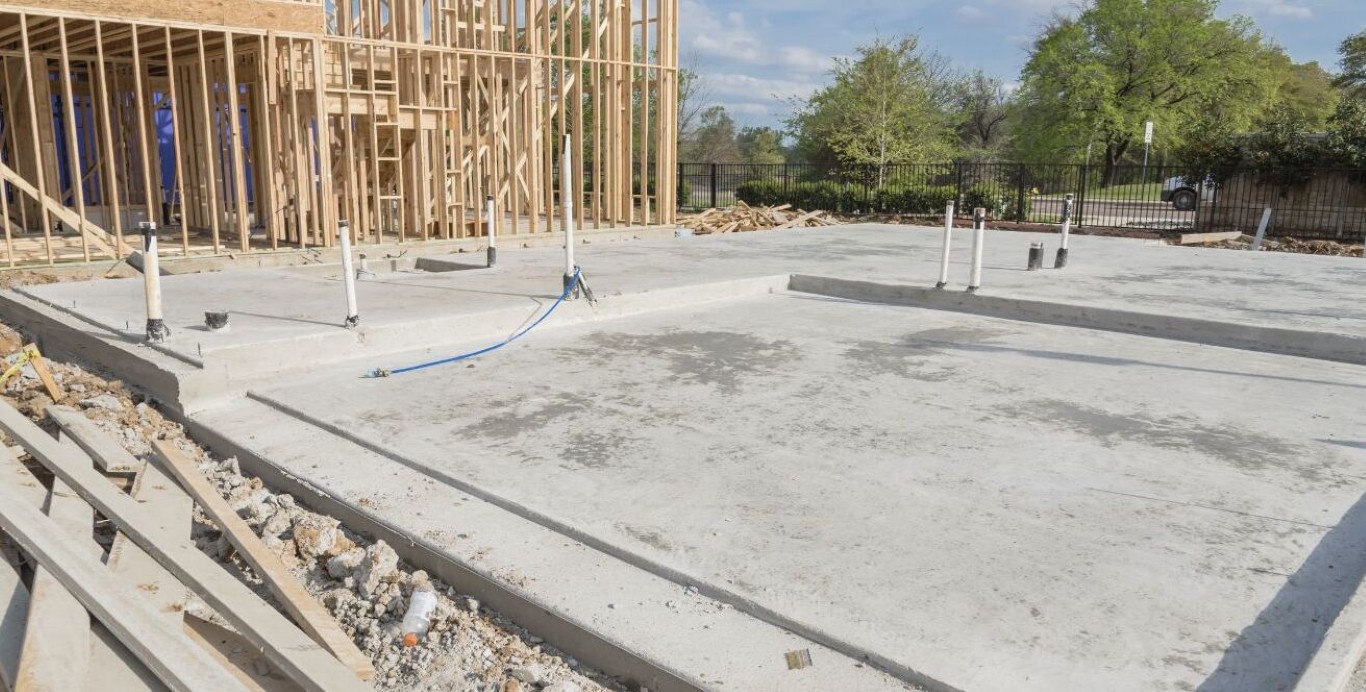
Our concrete company builds slab-on-grade foundations, which are common for Florida construction. These foundations sit directly on the ground with a properly prepared base. They work well in our climate because we do not have deep frost lines to worry about. Slab foundations are cost-effective and fast to install. We also build raised foundation systems for homes in flood-prone areas or on uneven lots. Pier and beam foundations use concrete footings and columns to support the structure above ground level.
For garages, sheds, and accessory buildings, we pour monolithic slabs that combine the foundation and floor in one pour. This speeds up construction and reduces costs. Commercial projects might need deep foundations with extensive reinforcement to support heavy loads. We also install equipment pads and machinery foundations that require precise leveling and vibration resistance. Every foundation we build starts with thorough site evaluation, proper drainage planning, and careful attention to local building codes. In Pinellas Park, we understand the unique challenges of Florida soil conditions and design our foundations accordingly.
Our Foundation Installation Process
Step 1: Site Evaluation and Planning
We start every foundation project with a thorough site inspection. Our crew evaluates soil conditions, drainage patterns, and any existing structures that might affect the foundation. We take precise measurements and check local building codes to ensure your foundation meets all requirements. If needed, we coordinate with engineers and architects to review structural plans. This planning phase prevents problems before they start and ensures we order the correct materials and equipment.
Step 2: Excavation and Site Preparation
Once plans are approved, we excavate the site to the required depth. Proper excavation removes unsuitable soil and creates a stable base for your foundation. We grade the area to ensure proper drainage away from the structure. Our crew compacts the soil to prevent future settling. If your site has poor soil conditions, we may need to bring in engineered fill or install deeper footings. This preparation work is not visible in the finished foundation, but it makes all the difference in long-term performance.
Step 3: Forms and Reinforcement
Next, we build precise forms that define the shape and dimensions of your foundation. Forms must be level, square, and securely braced to hold the weight of wet concrete. We install steel reinforcement according to engineering specifications. This typically includes rebar or wire mesh that strengthens the concrete and prevents cracking. For larger foundations, we add extra steel around openings and stress points. Post-tension systems may be used for expansive soil conditions. All reinforcement is positioned correctly and secured before the concrete pour.
Step 4: Concrete Pour and Finishing
On pour day, concrete trucks deliver the specified mix directly to your site. We pour in sections, vibrating the concrete to remove air pockets and ensure it fills the forms completely. Our crew works quickly because concrete starts setting within hours. We use laser levels to ensure the top surface is perfectly flat and meets elevation requirements. Proper curing begins immediately after finishing. We apply curing compounds or cover the concrete to maintain moisture, which is essential for achieving design strength.
Step 5: Form Removal and Inspection
After the concrete reaches sufficient strength, we carefully remove the forms. This typically happens 24 to 48 hours after pouring, though timing depends on weather and concrete mix. We inspect the foundation for any defects and make minor repairs if needed. Required building inspections are scheduled at this stage. Once the foundation passes inspection, construction can proceed on top of it. We provide documentation of the work for your records and future reference.
Step 6: Final Curing and Protection
Full strength development takes 28 days, though construction can typically begin after 7 days. During this curing period, we may continue moisture treatments to optimize strength. We protect the foundation from damage and extreme temperature changes. Once curing is complete, your foundation is ready to support your structure for decades. Proper installation at every step ensures a foundation that stays level, crack-free, and structurally sound throughout the life of your building.
Why Quality Foundation Work Matters
Foundation problems are among the most expensive and disruptive repairs you can face. Cracks, settling, and structural movement affect everything built on top of the foundation. Doors and windows stop operating smoothly. Floors become uneven. Walls develop cracks. In extreme cases, foundation failure can make a building unsafe. Fixing foundation problems after construction is far more expensive than building it right the first time. This is why we never cut corners on foundation work.
Quality foundation work requires knowledge of local soil conditions, building codes, and proper construction techniques. Florida soils present unique challenges. Some areas have expansive clay that swells and shrinks with moisture changes. Coastal areas have sandy soils with high water tables. Our experience in Pinellas Park means we understand these conditions and design foundations accordingly. We use appropriate concrete mixes, adequate reinforcement, and proven construction methods that perform well in our climate.
Beyond technical requirements, foundation work demands attention to detail and quality control. Small errors in leveling, reinforcement placement, or curing can cause big problems later. Our crew has the training and experience to get every step right. We work with building inspectors to ensure compliance with codes. When you choose professional concrete installation, you get a foundation that protects your investment for generations.
- Prevents costly structural repairs down the road
- Ensures building code compliance and passing inspections
- Provides stable, level support for the entire structure
- Protects against settling, cracking, and moisture problems
- Maintains property value and marketability
- Gives you confidence in the structural integrity of your building